Feature Plants

Meet the Ficus: Feature Houseplant for 2026


- Kristin Ego
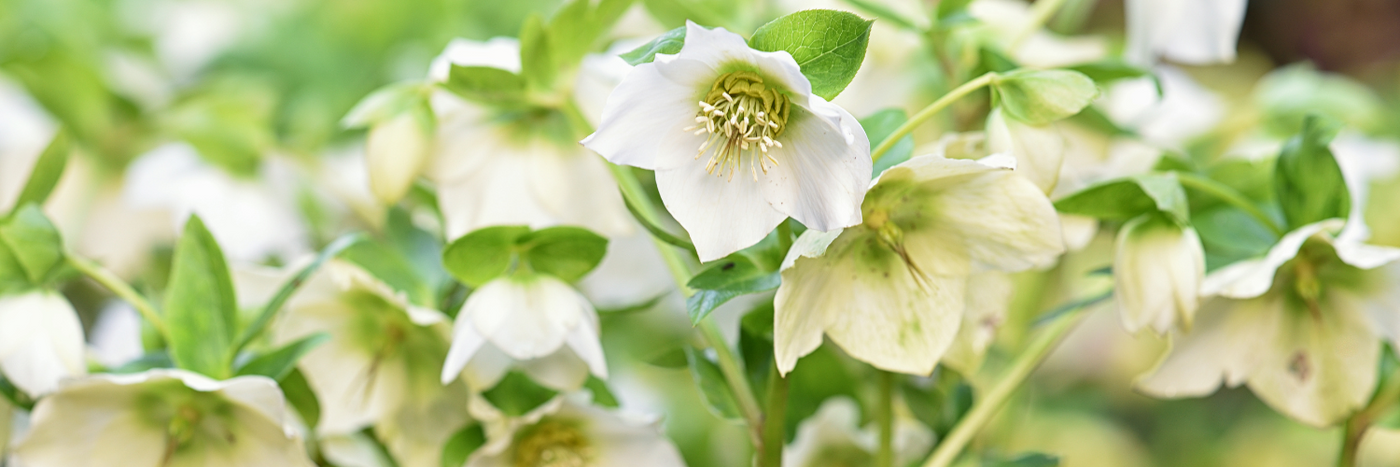
Handsome Hellebores
Hellebores, often the earliest of flowers in our spring gardens, are truly remarkable plants that usher in the season with their nodding blooms. Did you know that these enchanting flowers can actually bloom while snow is still on the ground? It's like they have a secret pact with winter, bravely pushing through to bring a splash of colour to our gardens when we need it most. These hardy perennials thrive in a shade to part shade location with good drainage and consistent moisture.
Tips for Growing Hellebores in Your Garden:
🌱 Plant in a shady to part shade location
🌱 They like rich, well-draining soil. Add compost and mix in well before planting
🌱 Keep them moist but not soggy, especially during dry spells in their first year
🌱 Give them some room to spread - approximately 18 inches apart for most varieties
🌱 Cut back old leaves in late winter / early spring before new flowers and foliage emerge for a tidier look.
- Kristin Ego
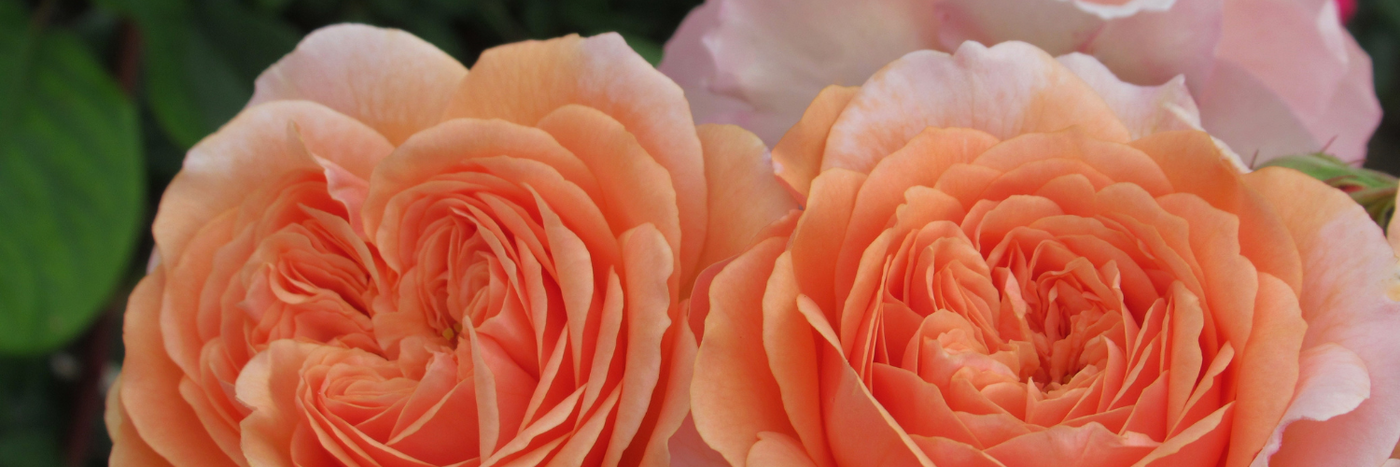
Peach Fuzz - Pantone Colour of the Year 2024
It's fun every season to see what plants we can tie in with Pantone's Colour of the Year!
For 2024 they have chosen Peach Fuzz, a velvety gentle peach tone with all-embracing spirit.
According to Leatrice Eiseman, Executive Director of the Pantone Color Institute
"In seeking a hue that echoes our innate yearning for closeness and connection, we chose a color radiant with warmth and modern elegance. A shade that resonates with compassion, offers a tactile embrace, and effortlessly bridges the youthful with the timeless."
 Here are a few of our selections inspired by Peach Fuzz for 2024...
Pictured below, clockwise from Top Left... Dahlia 'Fairway Spur', Ranunculus 'Amandine Salmon' , Gladiolus 'Sabor', Astilbe 'Peach Blossom', Achillea 'Firefly Peach Sky', Agastache 'Peachie Keen', Digitalis 'Dalmatian Peach', Heuchera 'Peachberry Ice', Geum 'Mai Tai', Hemerocallis 'Orange Smoothie'.

- Kristin Ego

Feature Plant: Rudbeckia

Growing Rudbeckia (Black-Eyed Susans) in Ontario: A Summer Garden Favourite
Bright, cheerful, tough as nails, and loved by pollinators, Rudbeckia is one of the easiest perennials you can grow.
If you're looking for a perennial that delivers months of colour with very little maintenance, it's hard to beat Rudbeckia, commonly known as Black-Eyed Susan. These North American native wildflowers thrive in Ontario gardens, tolerate heat and drought once established, and bloom from midsummer well into fall when many other perennials are beginning to fade.
Whether you're creating a pollinator garden, brightening a cottage landscape, or adding reliable colour to a sunny border, Rudbeckia deserves a place in your garden.
Why Gardeners Love Rudbeckia
✔ Long-lasting blooms from July until frost
✔ Excellent drought and heat tolerance once established
✔ Attracts bees, butterflies and other beneficial pollinators
✔ Seed heads provide winter food for birds
✔ Easy to grow and low maintenance
✔ Great for cut flower arrangements
✔ Excellent for naturalized and pollinator gardens
Quick Growing Guide
| Feature | Details |
|---|---|
| Botanical Name | Rudbeckia spp. |
| Common Name | Black-Eyed Susan |
| Hardiness | Zones 3–9 (most varieties) |
| Light | Full sun (6+ hours daily) |
| Height | 40 cm–120 cm depending on variety |
| Bloom Time | July through October |
| Soil | Well-drained, average garden soil |
| Water | Moderate while establishing, drought tolerant afterward |
| Wildlife | Attracts bees, butterflies and birds |
A True North American Native
Rudbeckia is native to much of North America and can be found growing naturally across much of Canada and the United States. Its cheerful golden flowers have become an iconic symbol of summer meadows and prairie landscapes.
The genus was named by Swedish botanist Carl Linnaeus in honour of his mentor, Olof Rudbeck, whose influence helped shape modern botanical science. Today, more than 300 years later, Rudbeckia remains one of the world's most popular garden perennials.
Growing Rudbeckia in Ontario
Growing Rudbeckia is remarkably easy, making it an excellent choice for both beginner and experienced gardeners.
Sun
Plant in full sun for the best flowering. Six or more hours of direct sunlight each day produces sturdy plants covered with blooms.
Soil
Rudbeckia prefers well-drained soil but is surprisingly adaptable. It grows well in sandy soils, average garden loam and even heavier clay once established.
Water
Water regularly during the first growing season while plants establish their root systems. Mature plants are very drought tolerant and generally only need supplemental watering during extended dry periods.
Fertilizer
Rudbeckia doesn't require heavy feeding. An application of compost or a slow-release balanced fertilizer in spring is usually all that's needed. Excess fertilizer can produce lush foliage at the expense of flowers.
Maintenance
Removing spent flowers encourages additional blooms throughout summer. Alternatively, leave the seed heads in place through fall and winter to feed goldfinches and other songbirds while adding winter interest to the garden.
Divide mature clumps every three to five years in spring or early fall to maintain vigour.
Which Rudbeckia Comes Back Every Year?
Not all Black-Eyed Susans behave the same.
Some varieties, such as Rudbeckia hirta, are short-lived perennials or biennials that often reseed themselves naturally.
Others, particularly Rudbeckia fulgida selections, are dependable long-lived perennials that return year after year with increasing flower power.
When choosing plants, it's worth investing in improved garden varieties that offer better disease resistance, stronger stems and a longer bloom season.
Featured Variety: Rudbeckia 'Treasure Trove'
If you're looking for one of the very best Rudbeckias available today, 'Treasure Trove' deserves a place at the top of your shopping list.
This exciting newer selection improves on many of the older Black-Eyed Susan varieties gardeners have grown for years.
Why we love it at Ego's Garden Centre
- Masses of rich golden-yellow flowers with bold dark centres
- Strong, well-branched plants that create a full, tidy appearance
- Exceptional flowering from midsummer through fall
- Excellent resistance to common foliar diseases such as Septoria leaf spot
- Outstanding heat and drought tolerance once established
- Loved by bees, butterflies and other pollinators
- Ideal for landscapes, pollinator gardens and large containers
- Beautiful fresh-cut flowers for bouquets
Unlike some older Rudbeckias that can become sparse, floppy or develop leaf spot late in the season, 'Treasure Trove' maintains an attractive, healthy appearance for much longer, providing reliable colour when gardens need it most.
It's quickly becoming one of our favourite summer-blooming perennials—and once you grow it, we think you'll understand why.
Common Questions
Why isn't my Rudbeckia flowering?
The most common reasons include too much shade, overcrowded plants or excessive nitrogen fertilizer. Planting in full sun usually produces the best flowering.
Is Rudbeckia drought tolerant?
Yes. Once established, Rudbeckia handles Ontario's summer heat remarkably well and is an excellent choice for lower-maintenance landscapes.
Do deer eat Rudbeckia?
Rudbeckia is considered moderately deer resistant. While no plant is completely deer-proof, Black-Eyed Susans are generally less attractive to browsing than many flowering perennials.
Is Rudbeckia good for pollinators?
Absolutely. Bees, butterflies, hoverflies and many beneficial insects visit the flowers throughout summer, while birds enjoy the seeds in fall and winter.
Plants That Pair Beautifully with Rudbeckia
Black-Eyed Susans combine beautifully with many other sun-loving perennials and ornamental grasses.
Some of our favourite combinations include:
- Purple Coneflower (Echinacea)
- Russian Sage (Perovskia)
- Salvia
- Catmint (Nepeta)
- Bee Balm (Monarda)
- Sedum
- Feather Reed Grass (Calamagrostis)
- Switchgrass (Panicum)
- Little Bluestem (Schizachyrium)
Together they create colourful, long-blooming gardens that support pollinators from spring through fall.
- Kristin Ego
- Tags: Pollinator Gardens Rudbeckia