News

RSS
Hardy Hydrangeas

Hardy Hydrangeas

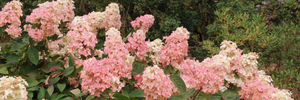
Hardy Hydrangeas for Central Ontario: Beautiful Blooms You Can Count On

Few flowering shrubs make an impact quite like a hydrangea. Their enormous summer blooms, long season of interest and relatively easy care have made them favourites in Ontario gardens.

But if you have ever planted a beautiful blue or pink hydrangea only to have it produce plenty of leaves, and few or no flowers the following summer, you aren't alone.

Not all hydrangeas are equally hardy in our Central Ontario climate.

At Ego's Garden Centre, we put a strong emphasis on hydrangeas that have proven themselves in our area. Fortunately, plant breeders have introduced some exceptional varieties that combine spectacular flowers with much better cold hardiness and garden performance.

The secret is understanding which type of hydrangea you are buying.

For gardens in Central Ontario, some of our favourite choices fall into four main groups:

Panicle hydrangeas – Hydrangea paniculata 

Hardy to Zone 3, sun tolerant and reliable bloomers.

Smooth hydrangeas – Hydrangea arborescens

Very cold hardy and dependable, with large rounded flowers.

Climbing hydrangeas – Hydrangea anomala subsp. petiolaris

A beautiful flowering vine for walls, fences and partly shaded locations.

Newer reblooming hydrangeas – including Hydrangea macrophylla × serrata

Modern breeding is making the classic blue and pink mophead hydrangea much more successful in colder gardens.

Understanding these differences can make the difference between a hydrangea that simply survives and one that flowers beautifully year after year.

Panicle Hydrangea

If someone asks us for an easy, hardy hydrangea for Central Ontario, Hydrangea paniculata is often our first recommendation.

Panicle hydrangeas are generally hardy to Zone 3 and, importantly, they flower on new wood. That means the flower buds don't need to survive our winter. The plant produces new stems in spring and develops its flowers on that fresh growth.

The result? Very dependable summer flowering even after a cold winter.

They also tolerate considerably more sun than traditional bigleaf hydrangeas.

A few of our Favs:  

Fire Light Tidbit which stays approximately 2–3 feet tall and wide, making it an excellent choice for the front of a shrub or perennial border, smaller landscapes and even large containers.

Flowers begin white in midsummer and gradually develop pink and red tones as temperatures cool.

We like it for: small gardens, foundation plantings and mixed perennial borders.

Little Quick Fire

Gardeners who don't want to wait until late summer for their hydrangeas to bloom should take a look at Little Quick Fire.  As its name suggests, it is an early-flowering panicle hydrangea. White flowers appear in early summer and gradually develop pink and reddish tones.

At roughly 3–5 feet, it gives you much of the effect of a larger Quick Fire hydrangea in a more manageable plant.

We like it for: extending the hydrangea season and smaller foundation plantings.

Bobo

There's a reason Bobo has become such a popular landscape hydrangea.

This compact plant reaches only about 2½–3 feet tall but becomes absolutely covered in large white panicles. As the season progresses, the flowers develop soft pink tones.

It is particularly effective planted in groups.

We like it for: mass planting, low hedges and combining with ornamental grasses and perennials.

Little Lime Punch

This is one of our favourites when colour is the priority.

Flowers emerge lime green before progressing through white and pink to rich reddish-pink. Because flowers develop at different times, an established plant can display several colours at once.

It matures at approximately 3–5 feet tall and wide.

We like it for: colourful foundation plantings and gardens where you want a long late-summer display.

Quick Fire Fab

If you have more room and want a real showstopper, Quick Fire Fab delivers!  Its large, dense flowers emerge a creamy lime-white before developing watermelon-pink colour from the bottom upward. The plant matures around 6–8 feet tall, making it substantially larger than the dwarf varieties.

We like it for: specimen plants, larger borders and anywhere a substantial flowering shrub is needed.

Pinky Winky Prime

Sometimes bigger really is better!  Pinky Winky Prime is a large panicle hydrangea, reaching approximately 6–9 feet. Its enormous flower panicles begin white before developing vivid pink from the base upward, creating striking two-toned flowers.

Give this one enough room to develop naturally rather than trying to keep it small with constant pruning.

We like it for: large landscapes, informal flowering hedges, screening and dramatic specimen plants.


Smooth Hydrangea

Our second major group is Hydrangea arborescens, often called smooth hydrangea.

Like panicle hydrangeas, these plants flower on new wood, making them extremely dependable in cold climates. Many are hardy to Zone 3.  The classic example is 'Annabelle', but newer introductions offer stronger stems, more flowers and some exciting new colours.

Incrediball

If you love the classic look of Annabelle hydrangea but wish the flowers stood up better after a summer rainstorm, meet Incrediball.  Huge white rounded blooms are held on substantially stronger stems. Plants mature around 4–5 feet tall and wide and are hardy to Zone 3.

We like it for: classic white gardens, mass planting, partly shaded gardens and cut flowers.

FlowerFull

FlowerFull is an exciting newer smooth hydrangea that takes flower production to another level.  Its breeder reports two to three times more blooms per season than typical Hydrangea arborescens, along with strong stems and improved disease resistance. It grows approximately 3–4 feet tall by 4–5 feet wide and is hardy to Zone 3.

For gardeners who want masses of classic white hydrangea flowers without constantly worrying about stems collapsing after rain, this is definitely one to watch.

We like it for: mass planting, smaller landscapes and gardeners looking for maximum flower power.

DreamScape

One of the most exciting new hydrangeas on our radar is DreamScape.  This is important because DreamScape isn't a tender bigleaf hydrangea—it is a Zone 3 Hydrangea arborescens.

Its dark pink flowers mature toward a rich ruby red, giving gardeners a completely different colour option while retaining the cold hardiness and new-wood blooming characteristics we value in smooth hydrangeas. It also features strong stems and prolific flowering.

For Central Ontario gardeners who love coloured hydrangeas but prioritize winter reliability, DreamScape could be a very exciting addition.

What About Blue Hydrangeas?

This is where hydrangeas get a little more complicated. Traditional blue and pink mophead hydrangeas are generally Hydrangea macrophylla. Many varieties form their flower buds on old wood—stems produced the previous year.  The plant itself may survive a Central Ontario winter, but the flower buds can be damaged by winter cold or spring temperature fluctuations.  The result can be a perfectly healthy green shrub with very few flowers.

Modern breeding is changing that.

For example:  Let's Dance Sky View is a Hydrangea macrophylla × serrata hybrid bred specifically for improved flowering performance.  Unlike traditional mophead hydrangeas that depend heavily on overwintered flower buds, Sky View can flower on both old and new wood. It has also been selected for cold-tolerant buds and reliable reblooming. It is rated for Zones 4–9.  Plants remain compact at roughly 2–3 feet tall and 2–4 feet wide.

And yes—the flowers really can be blue!  Flower colour in these hydrangeas is influenced by soil chemistry and the availability of aluminum. In suitable acidic conditions, Sky View produces beautiful blue flowers; under other conditions, flowers may be pink, lavender or purple.

We like it for: protected locations, smaller gardens, containers and gardeners who simply can't resist a blue hydrangea.

We still recommend giving reblooming bigleaf hydrangeas a somewhat protected location in our climate. Panicle and smooth hydrangeas remain the safest choices when maximum cold hardiness is the priority.

Climbing Hydrangea

For something completely different, consider Hydrangea anomala subsp. petiolaris, commonly known as climbing hydrangea.  Rather than forming a shrub, climbing hydrangea uses aerial rootlets to climb walls, stone, mature trees and sturdy structures. Once established, it can become a spectacular long-lived vine with masses of white lacecap-style flowers.

It is slower to establish than many vines, so patience is required—but a mature climbing hydrangea can be magnificent.  It is especially useful for part-shade and north- or east-facing locations where many flowering vines struggle.


How Much Sun Do Hydrangeas Need?

This is another area where knowing your hydrangea matters.

Panicle hydrangeas are the most sun tolerant and generally flower best with plenty of light. In our Central Ontario climate, they can perform beautifully in full sun provided they receive adequate moisture.

Smooth hydrangeas grow in sun to partial shade. Good moisture is especially important in sunnier locations.

Bigleaf and reblooming hydrangeas appreciate some protection from intense afternoon sun, particularly in hot, exposed sites.

Climbing hydrangeas are particularly useful in partial shade.

Whatever the variety, hydrangeas prefer soil that is moist but well drained. They are not particularly drought tolerant, especially while becoming established.


Hydrangea Pruning:  

Before pruning a hydrangea, know which type you have.

Panicle hydrangeas (Hydrangea paniculata)

Bloom on new wood.

Prune in late winter or early spring. Removing roughly one-third of the previous year's growth can encourage strong new stems and good flowering.

Smooth hydrangeas (Hydrangea arborescens)

Bloom on new wood.

They can also be pruned in late winter or early spring. Avoid assuming that cutting every smooth hydrangea right to ground level is necessary; leaving a framework of sturdy stems can help support the following season's flowers.

Traditional bigleaf and mountain hydrangeas (Hydrangea macrophylla and H. serrata)

Many flower primarily on old wood, so heavy spring pruning can remove the year's flowers.

Reblooming varieties such as Sky View are more forgiving because they can produce flowers on new growth as well, but we still recommend pruning them minimally.

Climbing hydrangea

Generally requires little pruning other than controlling size or removing unwanted growth. If substantial pruning is necessary, do it after flowering.


Hardy Hydrangeas Are Better Than Ever

Hydrangeas have changed tremendously in the last couple of decades. Plant breeders have given us smaller plants, stronger stems, longer flowering seasons, improved colours and—most importantly for Ontario gardeners—much more reliable cold-climate performance.  That means there's now a hydrangea for almost every garden, from a compact Fire Light Tidbit tucked into a perennial border to a dramatic Pinky Winky Prime anchoring a large landscape.

The key is choosing the right hydrangea for the right location.

And don't forget to leave room for its mature size. A little planning at planting time means less pruning and a much more beautiful hydrangea for years to come.

  • Kristin Ego
Plant Fall bulbs now for spring colour!

Plant Fall bulbs now for spring colour!

Fall is the time to think ahead to next spring if you want colourful Daffodils, Tulips, Crocuses and more to enjoy once the snow has left.

Hardy fall bulbs such as daffodil, tulip, hyacinth, crocus and snowdrop are spring flowering plants that must be planted in the fall. They are mostly native to mountainous areas of Europe and the near east — Spain, Turkey and Afghanistan. They actually need the dormant rest period of a long, cold winter. The melting snow and ice in early spring provide needed moisture as they start to grow and flower. Plant from September to December, even after the first frost if the ground can still be worked.


Planting
Bulbs can also be planted in individual holes. Dig a hole and sprinkle a tablespoon of a bulb fertilizer or bone meal in the bottom of the hole. Place the bulb in the hole with the pointed end up.

Cover the bulb with soil and water thoroughly. A 5 cm layer of mulch on top of the bed will help prevent winter weeds, retain moisture and insulate against severe winter cold and temperature fluctuations.

Preparing a bed for fall planted bulbs
Prepare the bed - double digging will help to make a well-drained planting bed.
Condition the soil - Improve soil by adding Sea Compost, composted manure or a 3-in-1 soil mix. Then work into a depth of 30 cm. Add 1 kg bonemeal for every 92.9 m2 (1000 sq.ft.)
Plant — the sooner the better
Point bulb upward. Add sprinkle of blood meal or Hen Manure to deter squirrels from stealing bulbs.

Add 2-5 cm of mulch.

After spring flowering the foliage must be allowed to remain to soak up sunshine and replenish the stored energy in the underground bulb. Only the flowering stems should be removed. In a few weeks, the foliage withers and dies down. This is the plant's natural defense against the too hot summer sun in its original habitat.


Replanting your flower bed with summer annuals gives you the opportunity to use more bone meal which, with its high phosphorous content, is beneficial to both the new planting and the bulbs.


Inside My Design Head - Plant Combinations I Love

Inside My Design Head - Plant Combinations I Love

Ever wonder how a garden designer chooses plants?

Join Landscape Designer Lexi Dearborn for a behind-the-scenes look at the sun and shade combinations she plants again and again - and the thinking behind why they work.

  • Colour, texture and form - the design principles behind great pairings
  • Reliable favourites and a few unexpected combinations to try
  • Practical ideas you can take straight into your own gardens

Saturday, July 11  10:30-12:00.   No cost to attend... just drop in to learn!

  • Kristin Ego
Growing Lavender in Ontario: Planting, Care & Best Varieties

Growing Lavender in Ontario: Planting, Care & Best Varieties

Growing Lavender in Ontario: Beauty, Fragrance, and Pollinator Power

Few plants have captured gardeners' hearts quite like lavender. From cottage gardens and modern landscapes to kitchens, wellness products, and home décor, lavender has become a true garden superstar.

Its silvery foliage, fragrant blooms, drought tolerance, and ability to attract pollinators make it one of the most versatile perennials you can grow in Ontario gardens.

Which Lavender is Best for Ontario?

Not all lavenders are equally hardy, so choosing the right variety is important for long-term success.

English Lavender (Lavandula angustifolia)

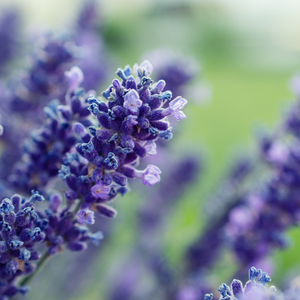
For most Ontario gardeners, English lavender is the best choice. Varieties such as 'Munstead', 'Hidcote', and 'SuperBlue' are among the hardiest and can successfully overwinter in many Central Ontario gardens when planted in well-drained soil.

English lavender features:

Spanish Lavender Flower

  • Highly fragrant flowers and foliage
  • Compact, tidy growth habit
  • Excellent winter hardiness
  • Strong attraction for bees and pollinators
  • Beautiful purple, blue, pink, and even white blooms

Most modern varieties grow between 30-60 cm (12-24 inches) tall, making them easy to incorporate into perennial borders, pollinator gardens, and container plantings.

Spanish and French Lavender

Spanish and French lavenders are stunning plants, recognized by their unique flower heads topped with decorative "rabbit ear" bracts.

While these varieties thrive in warmer climates, they are generally not winter hardy in Ontario. We recommend growing them in patio containers where they can be enjoyed throughout the summer and then overwintered indoors.

Their long flowering season and strong fragrance make them excellent additions to sunny decks, patios, and outdoor living spaces.

Growing Lavender Successfully

The secret to growing beautiful lavender is excellent drainage.

Lavender naturally grows in rocky, well-drained soils and dislikes wet roots, especially during Ontario winters.

Lavender Growing Tips

✓ Plant in full sun (6+ hours daily)

✓ Improve drainage with gravel or coarse sand if needed

✓ Avoid heavy clay soils whenever possible

✓ Water regularly during establishment, then only during extended dry periods

✓ Avoid excessive fertilizer

✓ Allow good air circulation around plants

One of the most common causes of lavender failure is winter moisture rather than cold temperatures. Planting on a slight slope or raised bed can dramatically improve survival.

Pro Tip: Top-dress around the base of lavender with gravel or small decorative stone rather than wood mulch. This helps keep the crown dry and mimics the plant's natural growing environment.

Lavender in the Landscape

Lavender is a natural fit for today's low-maintenance garden designs.

Its drought tolerance and long-lasting blooms make it ideal for:

  • Pollinator gardens
  • Cottage gardens
  • Mediterranean-inspired landscapes
  • Rock gardens
  • Front border plantings
  • Raised beds
  • Patio containers

Plant lavender near walkways, patios, or entrances where its fragrance can be enjoyed whenever you brush past the foliage.

Pair it with ornamental grasses, salvia, catmint, echinacea, yarrow, and roses for a beautiful, long-season display.

A Pollinator Favourite

Lavender is one of the best plants for attracting bees and beneficial insects.

Throughout the summer, its flowers provide valuable nectar for honeybees, native bees, butterflies, and other pollinators. Adding lavender to your landscape is an easy way to support local biodiversity while enjoying months of colour and fragrance.

More Than Just a Garden Plant

Lavender's popularity extends far beyond the garden.

Fresh or dried flowers can be used in:

  • Sachets and drawer fresheners
  • Potpourri
  • Wreaths
  • Herbal teas
  • Bath salts
  • Handmade soaps
  • Aromatherapy products
  • Culinary blends such as Herbes de Provence

Harvest flower stems just as the buds begin to open for the best fragrance and longest-lasting dried arrangements.

Whether you're creating a pollinator garden, refreshing a sunny perennial bed, or looking for a fragrant patio plant, lavender is a timeless addition to any landscape.

Visit us to explore our selection of hardy lavender varieties and let our team help you choose the best options for your garden conditions.

After all, every great garden deserves a little lavender.


  • Kristin Ego
Meet ‘Blackhawks’ Big Bluestem: The 2026 Perennial Plant of the Year

Meet ‘Blackhawks’ Big Bluestem: The 2026 Perennial Plant of the Year

Each year, the Perennial Plant Association — a body of hundreds of professional horticulturists, plant breeders, landscape designers, and garden centre owners across North America — votes to name a Perennial Plant of the Year. These aren’t chosen for novelty or trendiness. They’re chosen because they perform beautifully across a wide range of climates, require minimal fuss, and genuinely earn their place in the garden year after year.

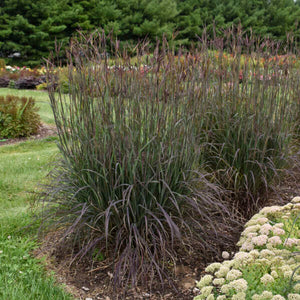
For 2026, that honour goes to Andropogon gerardii ‘Blackhawks’ — commonly known as Blackhawks Big Bluestem. If you haven’t grown ornamental grasses before, this might be the one that changes your mind.


What Is Big Bluestem?

Big Bluestem (Andropogon gerardii) is a native North American prairie grass — one of the dominant species that once covered the vast tallgrass prairies of central Canada and the United States. It’s deeply rooted in our ecological history, and its deep, fibrous root system (which can extend several feet into the soil) is one of the reasons it’s so incredibly tough and long-lived once established.

‘Blackhawks’ is a refined cultivar selected for its dramatic colouring and more compact, upright form compared to wild big bluestem. It was bred by Brent Horvath of Intrinsic Perennial Gardens in Illinois, and it’s been turning heads in trial gardens — including the Chicago Botanic Garden — since its introduction.

Why It’s Special: A Season-Long Colour Show

What makes ‘Blackhawks’ stand out from most ornamental grasses is that it earns its place in the garden from spring right through to winter.

Spring:  Dark green to deep purple blades emerge from the ground, already showing that distinctive near-black colouration that gives the plant its brooding character.
Summer:  The upright clump grows steadily, developing two-toned foliage as the tips deepen to reddish-purple. It makes a striking vertical foil among summer-flowering perennials.
Late Summer / August: The signature moment — distinctive three-parted flower clusters appear at the tops of the stems, earning the plant its old common name: Turkeyfoot grass (the seed heads genuinely resemble a turkey’s foot).
Fall:  By September the entire plant — leaves, stems, and blooms — transitions to a rich, deep burgundy-purple. The fall colour rivals that of many flowering shrubs.
Winter: The strong, upright stems hold their structure through frost and snow, providing architectural interest and shelter for birds well into the cold months.

Perfect for Central Ontario Gardens

Here’s the great news for our local gardeners: ‘Blackhawks’ is rated hardy to Canadian Hardiness Zone 3, which means it’s very well suited to Simcoe County, Muskoka, and the surrounding region. 

It thrives in full sun and actually prefers lean, well-drained soil — meaning the sandy or rocky soils common on moraines and around cottage country are a genuine advantage, not a problem. Rich, overly fertile soil will cause the plant to flop, so resist the temptation to over fertilize. 

Once established — which typically takes a season or two — it becomes extremely drought tolerant and essentially self-sufficient. The only maintenance required is cutting it back to the ground in late winter or early spring before new growth emerges.

Key specs at a glance:


Height: 4–5 feet | Width: 1–2 feet
Sun: Full sun (6+ hours)
Soil: Average to dry, well-drained — tolerates poor soils
Water: Low once established; drought tolerant
Hardiness: Canadian Zone 3–9
Maintenance: Cut back once annually in late winter

Great for Wildlife and the Environment

‘Blackhawks’ checks all the boxes for ecologically minded gardeners, and it connects beautifully to the native plant movement that’s growing strongly right across central Ontario:

- Bird habitat: The upright stems provide nesting material and shelter through fall and winter. The seed heads are a food source for numerous bird species.
- Pollinator value: The late-summer flowers support several species of native skippers and other pollinators at a time of year when many garden plants have finished blooming.
- Erosion control: Its deep, fibrous root system is exceptional at stabilizing soil — ideal for slopes, shoreline buffers, or naturalized areas.
- Native North American heritage: This is a plant with ecological roots in our region, not an introduced species. Growing it supports local biodiversity.

How to Use It in Your Garden

‘Blackhawks’ is a versatile plant that works in a surprising range of settings:

In a perennial border: Use it as a tall vertical accent near the back of a sunny border. Its dark colouration makes surrounding plants pop by contrast.

In a naturalistic or meadow planting: This is where it really shines. Mass plantings create a dramatic prairie-style effect, with movement and texture in every breeze.

As a screen or divider: Its upright, clumping habit makes it effective as a seasonal privacy screen — dense enough to be useful, beautiful enough to be intentional.

At the cottage: Perfectly suited to naturalistic lakeside plantings, shoreline buffers, and low-maintenance landscapes where it can look after itself between visits.

Companion Plants

‘Blackhawks’ plays beautifully with other sun-loving natives and late-season perennials. Some of our favourite combinations:

Black-eyed Susan (Rudbeckia) — golden yellow against near-black foliage is a showstopper
Purple Coneflower (Echinacea purpurea) — magenta blooms complement the burgundy tones perfectly
Blazing Star (Liatris spicata) — vertical purple spikes echo the grass’s upright form
Tall Stonecrop (Hylotelephium)— blooms just as ‘Blackhawks’ is hitting its fall peak
Asters (Symphyotrichum spp.) — late-season colour that carries the garden into October alongside the grass

A Word on Patience

Like most warm-season grasses, ‘Blackhawks’ is slow to wake up in spring — don’t panic if it seems to be lagging behind your other perennials. It’s gathering its energy. Once it gets moving, it catches up quickly, and by late summer you’ll have forgotten you ever doubted it.

It’s also worth knowing that it may take a couple of seasons to reach its full potential. Think of it as a long-term investment — one that will reward you with increasing beauty and minimal effort for many years to come.

  • Kristin Ego
Gardening in Soft Focus: The “Faded Petal” Colour Trend for Spring 2026

Gardening in Soft Focus: The “Faded Petal” Colour Trend for Spring 2026


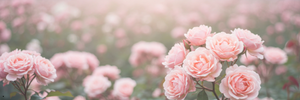
Each spring brings a fresh sense of possibility—and in 2026, garden colour trends are leaning into that feeling with a softer, more calming palette. Garden designers and marketers are highlighting tones often described as “Faded Petal”: blush pinks, dusty roses, muted mauves, gentle peaches, and warm neutrals inspired by nature itself.

These colours feel restorative, timeless, and easy to live with—perfect for gardeners looking to create spaces that feel peaceful, welcoming, and beautifully balanced.

What Is the “Faded Petal” Garden Palette?

Rather than bold, high-contrast colour blocks, this trend embraces soft transitions and layered tones—colours that look as though they’ve been gently kissed by sunlight.

Think:

  • Blush and antique rose

  • Soft apricot and shell pink

  • Dusty lavender and mauve

  • Creamy whites and warm beiges

  • Silvery and sage greens as grounding elements

It’s a palette that works just as well in modern gardens as it does in traditional landscapes, and it pairs beautifully with natural materials like stone, wood, and terracotta.

Bringing “Faded Petal” Into Your Plant Choices


Perennials That Set the Tone

These plants deliver soft colour without overwhelming the garden:

  • Peonies – Blush and pale pink varieties offer lush spring impact

  • Hellebores – Early spring blooms in soft pinks and creams

  • Echinacea – Look for pale pink or rose-toned cultivars

  • Yarrow (Achillea) – Soft peach and dusty pink selections

  • Foxglove  (Digitalis) – Light rose and peach hues are perfectly on trend

These perennials layer beautifully and return year after year, making them ideal anchors for this colour story.


Shrubs help carry the colour theme throughout the season.

Consider:

  • Hydrangeas with soft pink or antique tones

  • Ninebarks (Physocarpus) with blush pink spring blooms

  • Spirea varieties with pale pink flowers

  • Rose varieties bred for subtle, romantic colour e.g. David Austin English roses

These plants add depth and structure while keeping the palette cohesive and calming.

Annuals & Containers: Easy Seasonal Updates


Annuals are the easiest way to experiment with trending colours.

Great options include:

  • Zinnias  in dusty pinks and mauves

  • Begonias in blush and light salmon shades

  • Petunias with muted or antique tones

  • Calibrachoa in soft peach and rose shades

  • Cosmos in light pink to apricot varieties

Pair them with neutral containers—stone, soft grey, cream, or aged terracotta—for a refined look.


Garden Décor Ideas That Complement the Trend


Colour trends aren’t just about plants—decor completes the picture.

On-trend décor ideas

  • Stone or concrete planters

  • Matte ceramic pots in blush, sand, or clay tones

  • Light wood benches or trellises

  • Soft outdoor cushions in faded florals

These elements echo the palette without competing for attention.


A Colour Trend Rooted in How We Want to Feel

The rise of softer garden colours reflects a broader desire for calm, comfort, and connection. Gardens are becoming places to slow down, breathe deeply, and enjoy the moment—and colour plays a powerful role in setting that mood.

Whether you introduce this trend through one planter or an entire garden bed, the result is a space that feels intentional, timeless, and deeply satisfying.

Visit Us This Spring

Explore plants and garden décor inspired by the “Faded Petal” palette, and let our team help you build a spring garden that feels as good as it looks.

  • Kristin Ego